
Summary
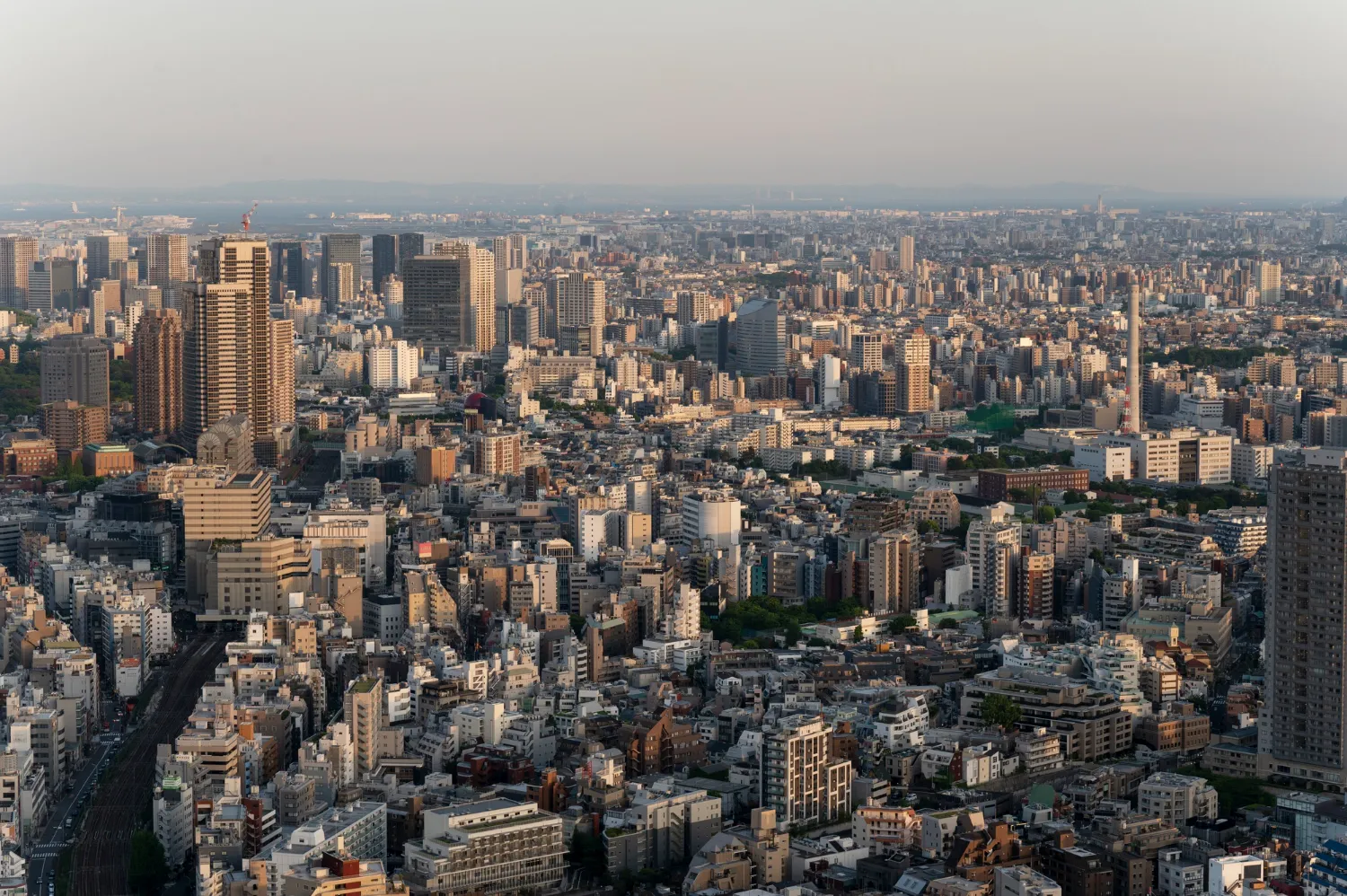
Kothrud and Karve Nagar were once thought of as being two different addresses — one the cultural engine of Pune's west, the other its quieter cousin with its river and its locales. That line has all but disappeared. Today the two function as a single residential, and for the thousands of families who have lived here for two or three generations, the real question isn't which side to choose — it's how to modernise the home they already have without leaving the neighbourhood they've never wanted to leave.
Key Takeaways
· Kothrud and Karve Nagar no longer function as separate micro-markets — improved roads and shared commercial spines have merged them into one corridor.
· Each side still keeps its own character: Kothrud's energy and cultural life, Karve Nagar's calm, low-density streets.
· The corridor's real turning point isn't pricing — it's the growing number of 1980s and '90s societies facing a redevelopment decision.
· Boutique redevelopment lets legacy families gain modern homes without losing their neighbourhood, school run, or doctor.
· Kotibhaskar Group's low-density, human-centric design and direct leadership access make it a natural fit for a corridor built on long-standing trust.

When Two Neighbourhoods Stop Behaving Like Two
Ask a longtime Punekar to place a boundary between Kothrud and Karve Nagar today, and most will hesitate. A decade ago, the distinction was obvious — Kothrud was the address, Karve Nagar the neighbour still finding its identity. Better arterial roads, a shared commercial spine, and a wave of newer residential development have since dissolved that line almost entirely.
What has emerged in its place is a unified, highly sought-after residential axis: The Kothrud-Karve Nagar Corridor. For discerning homebuyers, multi-generational families, and housing societies contemplating redevelopment, this combined belt represents the ultimate equilibrium in Pune real estate—where deep-rooted suburban character merges seamlessly with modern, luxury living.
What exists now is best understood not as two micro-markets to choose between, but as one corridor to live across — Kothrud's energy just minutes from Karve Nagar's calm, with neither side asking a resident to give up the other. (For a closer look at how this corridor stacks up against Prabhat Road, see our broader western-corridor comparison.)
Thus, now real estate professionals increasingly view Kothrud and Karve Nagar as one of Pune's most established redevelopment corridors. As we will see ahead, homes constructed during the 1980s and 1990s are now approaching the stage where structural ageing, changing family needs, parking limitations and modern safety expectations naturally lead housing societies to evaluate redevelopment. For experienced redevelopment specialists like The Kotibhaskar Group, the opportunity is not simply to construct new buildings, but to help established communities modernise while preserving the social fabric that has made these neighbourhoods desirable for decades.
What Each Side Still Brings to the Table
The merge hasn't altered the basic character of these locations; it has simply put these two within easy reach of each other
Kothrud remains the corridor's cultural and social anchor: a fascinating mix of academic institutions, residential enclaves, established markets around Karve Road and Paud Road, and a lively café and restaurant scene, alongside a density of everyday convenience few Pune neighbourhoods can match. Karve Nagar, by contrast, has grown into the corridor's quieter half — wider internal roads, lower-density layouts, and a riverside calm that families increasingly seek out once they've had enough of purely urban living.
Thus, while traditionally, Kothrud was recognized as the vibrant cultural and commercial engine of the west, while Karve Nagar developed as a peaceful, green residential pocket along the riverfront. Today, they no longer operate as separate suburbs. Driven by arterial road expansions, bridge connections, and unified commercial high streets, the two areas function as a single, cohesive ecosystem.
The result is a corridor where a senior citizen's morning walk, a professional's commute, and a child's school run can all be answered within a few minutes of each other — without any one generation having to compromise on what they need from a neighbourhood.
Decoding the Neighbourhood Synergies
The strength of this corridor also comes from its seamless relationship with neighbouring residential districts including Erandwane, Ideal Colony, Mayur Colony, Bhusari Colony, Paud Road, Karve Road and the Deccan area. Rather than functioning as isolated localities, these established neighbourhoods collectively form Pune's western residential ecosystem, where educational institutions, healthcare facilities, commercial streets and civic infrastructure overlap. This interconnected geography has become one of the key reasons redevelopment activity continues to grow across western Pune.
What does daily life actually look like along the Kothrud-Karve Nagar belt? The strength of this corridor lies in its rich social infrastructure, which has matured organically over forty years rather than being artificially constructed overnight.
Kothrud: The Cultural and Social Anchor
Kothrud brings an irreplaceable energy to the corridor. It is home to iconic academic institutions like MIT-WPU and Abhinava Vidyalaya, health centers like Sahyadri Hospital, Deenanath Mangeshkar Hospital, and vibrant cultural gathering spots surrounding Karve Road and Paud Road. From historic bakeries and traditional eateries to modern multi-cuisine bistros and organic markets, Kothrud provides every convenience a family could require within walking distance.
Karve Nagar: The Peaceful Luxury Sanctuary
Adjoining Kothrud along the wide DP Road stretch, Karve Nagar offers a distinctively relaxed pace. Characterized by spacious plot layouts, proximity to the Mutha riverfront, and green avenues near Cummins College Road, it has naturally evolved into a sanctuary for low-density, boutique residential developments. It offers wider internal roads, easier parking dynamics, and a calmer atmosphere that appeals to families seeking refuge from urban clutter.
By bridging these two distinct personalities, the corridor ensures that every generation within a family finds what they need—whether it is senior citizens seeking peaceful morning walks, working professionals demanding swift commutes, or children attending premier local schools.
A Corridor Built for Convenience, Not Just Commute
One of the greatest luxuries in a growing metropolis is time saved on daily travel. The Kothrud-Karve Nagar corridor stands out as one of the most transit-efficient zones in all of Pune, backed by transformative municipal infrastructure. Connectivity is what allowed this merge to happen in the first place. The Pune Metro's Aqua Line, with stations at Vanaz, Anand Nagar, and Ideal Colony, has cut peak-hour dependency on surface roads for residents on both sides.
The DP Road stretch links Karve Nagar directly into Kothrud and Erandwane, while Rajaram Bridge opens onto Sinhagad Road and, from there, the Mumbai–Bengaluru highway. Major hospitals, including Deenanath Mangeshkar and Sahyadri, sit within minutes of either side — a detail that matters more than any amenity list once a family has lived somewhere long enough to think about the years ahead. (For the fuller pricing and infrastructure picture, our earlier piece on Kothrud's evolution goes deeper.)
The Redevelopment Question Every Legacy Family Eventually Faces
Connectivity explains why new buyers are drawn here, but it doesn't explain the more pressing conversation already underway inside thousands of existing homes. A large share of Kothrud and Karve Nagar's housing stock dates to the 1980s and '90s — buildings full of memory, but increasingly short on the things daily life now demands: working elevators for ageing parents, enough parking for a two-car household, plumbing and wiring that haven't needed a workaround in years, and room layouts never designed for a work-from-home world.
The instinctive fix — move to a new township on the city's outer edge — usually costs more than it saves. It means trading a known doctor, a trusted school, and thirty years of neighbours for a commute that didn't exist before. It seems to be an unnecessary sacrifice, especially when compared to the advantages listed above.
Boutique redevelopment is the added factor that can, or rather has the potential to, make it particularly unnecessary. In place of a walk-up 1980s block with a crowded ground-floor parking scramble, families move into a low-rise, elevator-equipped building with proper covered parking and light-filled interiors — built on the exact plot they already call home. The address doesn't change. Only the building does.
Boutique redevelopment differs significantly from large township construction. Every housing society has its own history, resident expectations, legal framework and site constraints. Successful redevelopment therefore depends on careful planning, transparent communication with society members, efficient project execution and thoughtful architectural design rather than simply maximising the number of apartments. This approach has become particularly relevant across established neighbourhoods such as Kothrud and Karve Nagar, where preserving community character is often as important as creating modern homes.
The Rise of High-Rise Redevelopment: Kothrud and Karve Nagar are also experiencing a shift toward high-rise development. Older, low-density plots along major arterial stretches are giving way to vertical, premium towers that maximize urban land efficiency. Crucially, this high-rise evolution isn't about crowded mass housing; it is about vertical luxury. These taller developments allow for a significantly smaller ground footprint, opening up space for multi-level covered parking and modern lifestyle amenities that horizontal walk-ups could never accommodate. For legacy residents, this vertical transformation delivers high-elevation views, modern structural safety, and enhanced living standards without asking them to sacrifice their cherished neighborhood identity.
That single fact – community identity - is why redevelopment has become the defining real estate conversation in this corridor — not new launches, but the quiet upgrading of what families already have while remaining essentially true to their existing identity.
Why This Corridor Rewards a Human-Centric Builder
Redevelopment is also where a developer's real character shows. A society handing over their land isn't making a purchase decision — it is extending trust for the length of a construction timeline and beyond. That distinction shapes how the Kotibhaskar Group has approached this corridor for over four decades.
|
|
Typical Mass Township |
Kotibhaskar Group |
|
Elevator access |
Long waits at peak hours |
Quick access by design |
|
Leadership access |
Call centers and ticketing portals |
Direct line to the senior team in urgency |
|
Communication |
Layered through offices |
Transparent and direct |
Rather than maximising units per floor, projects are planned around natural light, cross-ventilation, and acoustic separation between shared and private spaces — the same instincts that guided the group's original bungalow-construction practice, carried into multi-family living. And when a society commits its land for redevelopment, it deals directly with the people accountable for the outcome, not a layer of intermediaries. Reputation in a neighbourhood you've built in for forty years isn't judged by advertising — it's judged by the families still living in your buildings, decades later.
Redevelopment is ultimately a relationship built on trust. Housing societies typically evaluate far more than architectural drawings—they assess a developer's execution history, financial stability, communication practices, neighbourhood familiarity and long-term reputation. Over several decades of residential development across Pune's western neighbourhoods, Kotibhaskar Group has developed expertise in working closely with societies seeking carefully planned redevelopment that can help them remain true to their community relationships and identity while delivering a more comfortable lifestyle.
A Corridor Writing Its Next Chapter
The Kothrud–Karve Nagar corridor's real achievement isn't that it modernised — plenty of Pune has. It's that it modernised without asking families to trade away what made the neighbourhood worth staying in. For those weighing a new home here, or a housing society beginning to ask what redevelopment could look like, that balance is the whole point.
Explore ongoing projects and redevelopment opportunities across Kothrud and Karve Nagar: View Our Projects

FAQ
1. Are Kothrud and Karve Nagar really one real estate market now?
Functionally, yes. Improved roads, metro connectivity, and a shared commercial spine have merged the two into a single corridor, even though each retains its own character — Kothrud more urban and institutional, with Karve Nagar having quieter and lower-density residential nature.
2. What redevelopment options exist for older housing societies in this corridor?
Many 1980s and '90s societies in Kothrud and Karve Nagar are approaching redevelopment — replacing ageing, elevator-less buildings with modern buildings on the same plot, so families can gain contemporary amenities without leaving their neighbourhood.
3. How well is the Kothrud–Karve Nagar corridor connected to the rest of Pune?
The Pune Metro Aqua Line (with stations at Vanaz, Anand Nagar, and Ideal Colony), DP Road, and Rajaram Bridge together give the corridor fast access to Deccan, Shivajinagar, Sinhagad Road, and NH-48 toward Mumbai and Bengaluru. In addition, there is also the attendant advantage of centrality of the locality, with its easy local connectivity options like Rickshaws
4. Is this corridor suitable for multi-generational families?
Yes. The mix of Kothrud's institutions and daily conveniences with Karve Nagar's calmer, lower-density streets allows different generations within the same family — from school going children to senior citizens — to have their needs met within a few minutes of each other.
5. Why do housing societies in Kothrud and Karve Nagar choose The Kotibhaskar Group for redevelopment?
The Kotibhaskar Group brings over four decades of redevelopment and residential construction across Pune's western corridor, that has given the group deep familiarity with Kothrud and Karve Nagar's housing societies. This presence in the corridor, along with a history of timely possession handovers, and direct accessibility to its leadership — factors that matter to societies – resulting in a development of long-term trust in a redevelopment partner. Add to this the icing on the cake – the reputation for excellent craftsmanship set in a backdrop of transparent communication and Rera-registered projects
6. What should a housing society look for before selecting a redevelopment builder in Pune?
Housing societies should evaluate a redevelopment partner based on completed redevelopment projects, financial strength, construction quality, transparency during negotiations, legal expertise, project timelines and familiarity with the local neighbourhood. In established locations such as Kothrud and Karve Nagar, developers with extensive experience working alongside long-standing residential communities are often better equipped to balance modern design with the expectations of existing residents.