
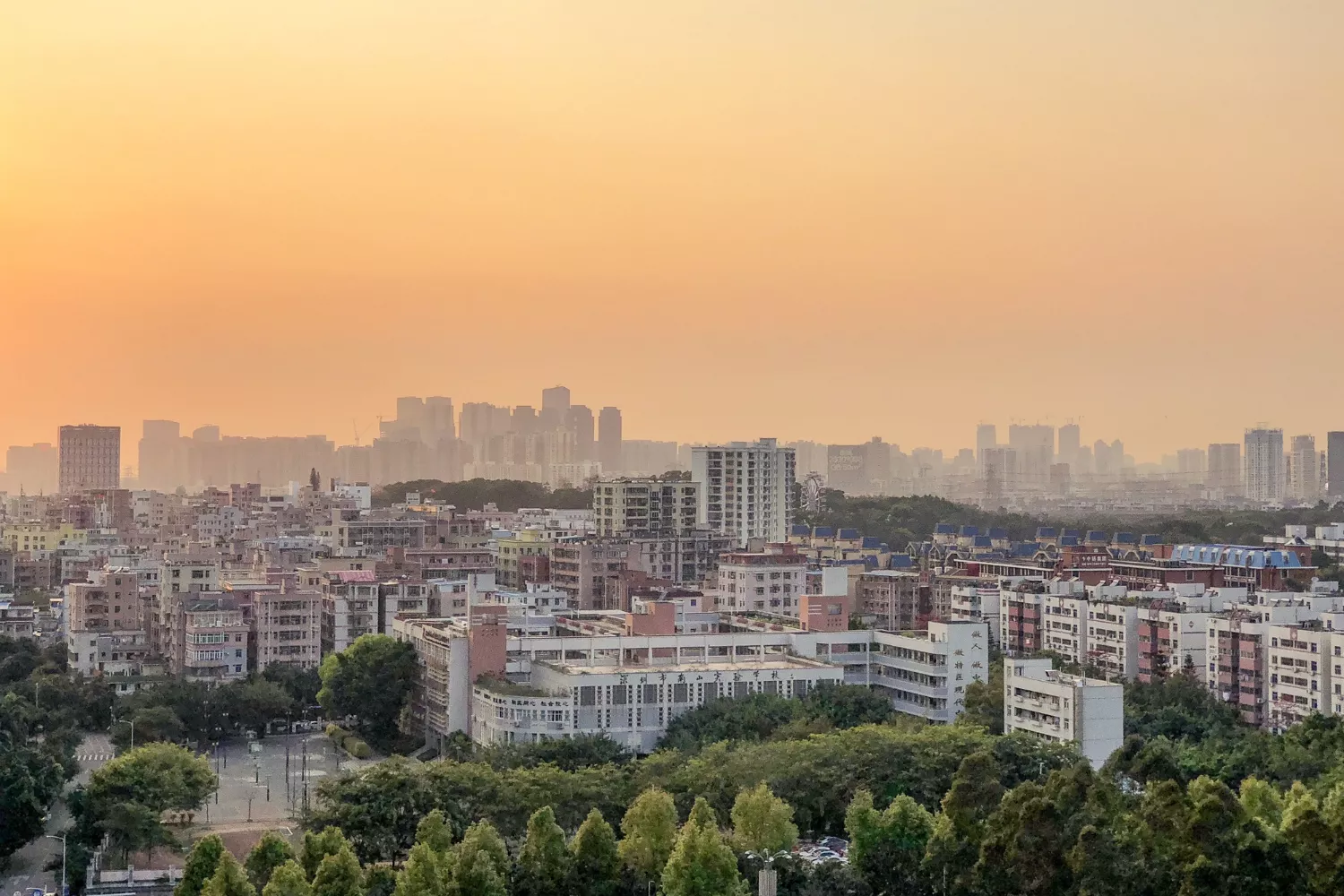
Kothrud in 2025: Where Heritage Redevelopment Meets Modern Lifestyle
Kothrud has never been a location that needed introduction – it has, for as long as memory can go, remained as a central location – one that is widely known. And yet, paradoxically, it is this area that perhaps 15 or 20 years ago would never have made it to the top of the list to be in the most-sought-after residential destinations in Pune especially with the concurrent rise of Hinjewadi, Wakad, Viman Nagar, Kalyani Nagar and other emerging areas. And yet, it has not only retained its old magic in elegance and relevance – but has actually grown in significance over time.
What ensured it continued its relevance, however, is not nostalgia - it is transformation. As Pune matures from a fast growing city into a stable metropolitan economy, Kothrud has emerged as a rare micro-market where heritage, redevelopment, and modern urban living intersect with intent. This is not a story of sudden appreciation or speculative buzz. It is the story of measured evolution that kept pace with the city’s overall transformation, placing Kothrud in a sweet spot - and why that matters to families, professionals, and long-term investors alike.
Why Kothrud Remains Pune’s Most Coveted Address
Kothrud’s current pull and reputation was not achieved overnight - it has always represented a quieter, cultured side of Pune-defined by tree lined streets, old style markets, strong community networks, and proximity to the city’s intellectual core. While several Pune neighbourhoods expanded rapidly and then plateaued, Kothrud lived a different reality: controlled growth with sustained demand.
Over the last ten years, this restraint has proven to be its greatest strength. Limited land availability, strict development patterns, and strong resident ownership have preserved exclusivity. As newer suburbs grapple with congestion and infrastructure catch-up, Kothrud continues to deliver predictability - an increasingly scarce quality in urban real estate.
The first transformation wave of the 1980s and 1990s saw traditional wadas give way to modest 3 - 4 storey apartment buildings. Today, a second, more nuanced wave is underway. These mid- rise structures are being redeveloped into multi storey modern residential buildings with 8 or more floors, incorporating contemporary layouts, safety standards, and amenities-without disrupting the neighbourhood’s character.
This “second redevelopment cycle” is limited to select legacy localities such as Kothrud, Bibvewadi, and Sahakar Nagar. The result is a distinctive micro-market: old prestige paired with new infrastructure-something greenfield developments simply cannot replicate. From an investment lens, the signals are clear. Land scarcity, centrality, and institutional presence anchor value. For families, Kothrud offers continuity and lifestyle depth. For investors, it offers stable appreciation without volatility. Very few Pune locations offer both.
Connectivity That Works for Everyone
Kothrud’s connectivity arises from its origins, as well as the development of Pune City – it thus was never meant to be an edge location. It sits at the convergence of Karve Road, Paud Road, and FC Road, three of the central roads and market areas – as a result of which it functions as a natural mobility hub rather than a commuter bottleneck. This is further enhanced by the development and expansion of the city all around it –be it Baner, Shivajinagar, Sinhagad Road, or even Viman Nagar and Kharadi areas of the city. Kothrud is central to them all!
This translates to ease of commute to residents, as professionals working in Hinjewadi, Baner, Shivajinagar, or the university belt benefit from multiple routing options, reducing dependency on a single arterial road. Commutes remain predictable - a critical but often underestimated quality of life factor. The upcoming Pune Metro corridors (Aqua and Purple lines) will further compress travel time and enhance east-west movement, strengthening Kothrud’s central advantage rather than diluting it.
Inter-city connectivity is equally strong. The Mumbai–Pune Expressway and the Pune– Kolhapur–Bangalore Highway lie in close proximity, while Pune Railway Station is within a 15–20-minute drive.
For NRIs, frequent travellers, and multi-city families, this ease of movement materially improves long term usability of the location. Strong public transport density-buses, autos, and upcoming metro access-also ensures that car ownership remains a choice, not a necessity. Younger professionals increasingly factor this into housing decisions as total cost of living takes precedence over just property price.
Educational Excellence as a Lifestyle Anchor
Pune itself is a known educational hub; even in such a city, few Pune localities can match Kothrud’s educational concentration. Institutions such as MIT World Peace University, Cummins College of Engineering for Women, Symbiosis schools, P. Jog High School, Bal Shikshan Mandir English Medium School, Abhinava Vidyalaya English Medium High School, Dr.Kalmadi Shamarao High School and Jr. College and ILS Law College function as long-term anchors, not transient occupiers. For families, this translates into continuity. From primary education through professional degrees, students can remain within the same geographic ecosystem for nearly two decades-reducing relocation friction and preserving social stability.
From a real estate perspective, institutional density is a quiet but powerful value driver. Educational campuses create counter-cyclical demand. Student housing, faculty rentals, and administrative expansion ensure consistent absorption even during broader market slowdowns.
Beyond academics, these institutions host lectures, cultural festivals, sports meet, and public events. They infuse the neighbourhood with an intellectual and cosmopolitan rhythm-an intangible quality that increasingly defines premium urban living.
Healthcare That Does Not Compromise
Healthcare access is no longer a secondary consideration - it is a primary decision driver, particularly for multi-generational households. Kothrud benefits from proximity to Deenanath Mangeshkar Hospital, Sahyadri Superspeciality Hospital, and City Hospital, all of which offer advanced diagnostics and tertiary care. Emergency response times are short, and routine consultations remain convenient, which offers a major operational advantage that becomes increasingly important with age.
For empty-nesters and senior residents, this proximity significantly reduces lifestyle risk. For younger families, it provides long-term assurance. Beyond hospitals, the area supports a dense network of clinics, diagnostic centres, physiotherapy units, and preventive wellness specialists. The ecosystem enables proactive healthcare, not just reactive treatment - an often-overlooked marker of neighbourhood maturity.
Dining, Shopping & Culture: The Lifestyle Layer
Kothrud’s lifestyle infrastructure reflects its demographic profile. Retail destinations such as Aditya Shagun Mall, JVA Mall, Westside, Lifestyle, Zudio and The Pavilion Mall cater to curated consumption rather than mass footfall. The tenant mix leans towards premium F&B, boutique brands, and experience- driven retail.
The food culture mirrors this evolution. From specialty coffee and global cuisines to authentic Maharashtrian dining, Kothrud’s restaurant landscape is community-driven rather than trend- chasing. Dining here functions as a social layer-a reliable indicator of an area’s cosmopolitan maturity.
Cultural engagement further strengthens the location’s appeal. Theatre, music performances, lectures, and exhibitions-often hosted by nearby institutions-ensure that Kothrud remains a destination, not merely a residential pocket. This depth attracts professionals and retirees who value intellectual engagement alongside comfort.
Green Spaces & Recreation
Urban livability increasingly depends on access to open spaces-and Kothrud delivers quietly but effectively. Parks such as Thorat Garden, Pandit Bhimsen Joshi Udyan and ARAI Hills trail network, and proximity to destinations like Sinhagad Fort provide recreational diversity within short travel windows. These spaces are not ornamental; they are actively used by families, joggers, hikers, and senior residents alike.
Such “soft infrastructure” shapes daily experience in ways that apartment specifications cannot. Informal walking groups, weekend hiking communities, and children’s play clusters build social capital-an intangible yet critical component of neighbourhood quality. From an environmental standpoint, green cover also mitigates urban heat and improves air quality. As climate considerations enter mainstream home-buying decisions, access to green buffers becomes a health asset, not a luxury.
Conclusion: A Forward Look
Kothrud is not a speculative play. It is a residential and investment anchor built on decades of continuity, institutional strength, and disciplined redevelopment. The current transformation cycle reinforces-not disrupts-its core identity.
As Pune’s economy matures, demand will increasingly shift towards locations that offer stability, connectivity, and lifestyle depth rather than just price arbitrage. In that context, Kothrud represents the city’s future: thoughtfully evolved, structurally resilient, and inherently livable.
For first-time homebuyers seeking permanence and for seasoned investors prioritizing predictability, Kothrud continues to justify its premium-quietly, consistently, and convincingly.