
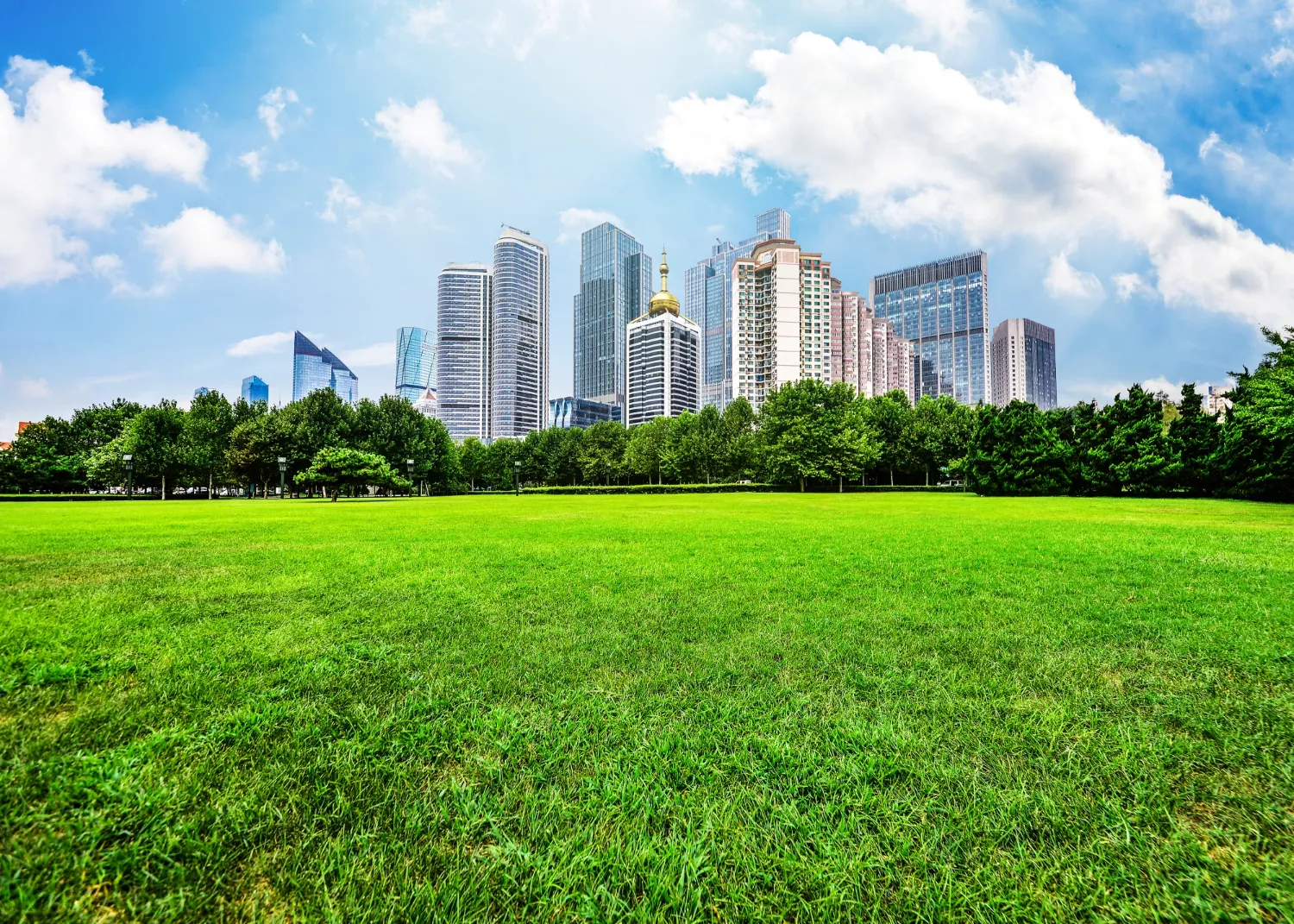
For decades, Kothrud was the quieter, greener side of Pune — a suburb associated with retirees, old bungalows, and tree-lined lanes. Today, it sits firmly in the city’s luxury map. Kothrud was recognized more than a decade ago by the Guinness Book of World Records as one of Asia’s fastest-developing suburbs, a reflection of how rapidly the area’s residential fabric, skyline and demographics changed from the 1980s onward. (The Times of India)
What started as a leafy extension of a “pensioners’ paradise” has now become an upmarket neighbourhood with:
· Ticket sizes in the mid-range premium segment for quality 2 and 3 BHKs,
· Strong end-user demand from professionals and business families, and
· A positioning comparable to other premium nodes such as Aundh and Baner in terms of pricing and aspiration.
This transformation did not happen overnight. It is the product of history, planning, infrastructure and, increasingly, the shift of Pune’s housing market towards the mid-premium and luxury segment.
Roots in Green: From Peshwa-Era Baug’s to Kothrud Baug
Long before apartment towers and flyovers, the wider Pune region — including what we now call Kothrud — was defined by orchards ,water bodies, and private gardens. During the Peshwa era, Pune was estimated to have hosted over 1.5 lakh mango trees and around 100 gardens, many of them privately owned “Baug’s” stretching from Mandai to Parvati and beyond. (Hindustan Times)
Kothrud itself was historically known as Kothrud Baug, indicating its origins as a green estate on the city’s western fringe. (https://dwello.in). This early association with greenery and open spaces has shaped how older Punekars still talk about the area: as the “garden side” of the city, culturally rooted and slightly removed from the chaos of the city.
From Pensioners’ Paradise to Pulsating Locality
For much of the late 20th century, Pune carried the label of a “pensioners’ paradise” — a city of calm neighbourhoods, slower rhythms, and a large senior population. Kothrud was very much part of that story. (Punekar News)
As Pune’s industrial and services economy scaled up through the 1980s and 1990s, Kothrud began to change character:
· Mid-1990s real estate boom: Maps of India notes that the real estate surge in the mid-1990s saw Kothrud evolve “from just a pensioner’s paradise to the pulsating locality it is today.” (Maps of India)
· Strategic roads: Kothrud sits on two of Pune’s most critical spines — Karve Road and Paud Road — which Moneycontrol identifies as a key driver of its rise as one of the city’s most coveted residential areas. (Moneycontrol)
By the early 2000s, the area had already moved from quiet suburb to mainstream residential hub. The next phase — the premium and luxury shift — would be driven by infrastructure and incomes.
The Premium Turn: Why Kothrud Draws Luxury Buyers Today
Kothrud today is consistently described as an upmarket, well-regarded residential neighbourhood in major real estate overviews, with strong liveability, social infrastructure, and connectivity. (Magicbricks)
Several factors underpin its luxury positioning:
1. Limited land and infill redevelopment
Kothrud is largely built-out. New supply typically comes from redevelopment of old bungalows or small societies, which pushes ticket sizes upwards and keeps it in a premium bracket.
2. Established social infrastructure
The locality hosts or is proximate to reputed schools, colleges, hospitals, temples and shopping clusters, a mix highlighted across portals and developer-agnostic overviews.
3. Ticket sizes aligned to luxury demand
Major property portals indicate that Kothrud commands premium per-square-foot rates in Pune's market. At these levels, typical 2 BHK apartments fall comfortably into the mid-premium segment, while large 3 BHKs and properties on prime streets in Kothrud easily move into the upper-premium and luxury categories. That positions Kothrud squarely in India's luxury and upper-mid housing segment, consistent with national trends where luxury homes in this segment have seen about 29% price appreciation since 2022 (for Pune city as a whole), outpacing affordable housing. (The Times of India)
4. Micro-markets that behave like “inner-city luxury” with excellent luxury residential apartments available in areas like:
o Karve Road – Kothrud:
o Ideal Colony, Mayur Colony:
o Anand Nagar:
o Rambaug, Shikshak Nagar, Shivthirth Nagar:
Over a five-year horizon, data shows Kothrud prices up ~35.6%, with about 6% growth in the last year alone, reinforcing the long-term premium story. (99acres)
Connectivity: Metro, Roads and the “Western Arc”
Connectivity has been a structural advantage for Kothrud, and recent infrastructure has sharpened that edge:
· The locality is anchored by Paud Road and Karve Road, providing direct connectivity to Deccan, Nal Stop, FC Road and, via Chandni Chowk, to the Mumbai–Bengaluru highway.
· The Pune Metro’s Aqua Line (Vanaz–Ramwadi) now terminates at or near Kothrud’s western flank (Vanaz, Anand Nagar), giving residents mass-transit access to Deccan, Shivajinagar and the eastern corridor.
City-level data shows how such connectivity impacts value:
· A Times of India analysis notes that properties within 500 metres of Pune metro corridors have seen 10– 25% annual appreciation, translating into a 25–80% price rise over three years in some micro-markets. (The Times of India)
For Kothrud, the metro does two things:
1. It reduces commute friction to CBD and east-Pune employment hubs.
2. It makes the area more attractive to tenants and younger buyers, supporting both capital values and rental demand.
The Investor Lens: Yields, Holding Power and More
Investors look at Kothrud differently from emerging corridors like Hinjewadi or Wagholi. The typical thesis here is capital preservation + steady appreciation, not “high-yield” speculation.
Who benefits most from Kothrud?
Kothrud works particularly well for:
· End-user families
o Seeking strong schools, colleges, healthcare, and a relatively established cultural ecosystem.
· Senior citizens with means
o For many older Punekars, the familiar “pensioner’s paradise” DNA still matters — but they now expect elevators, security, and medical proximity. Kothrud’s shift from bungalows to modern societies has supported this. (Pune Online)
· Conservative investors
o NRIs and high-earning professionals who want a Pune address that holds value, even across cycles, tend to favour such established western corridors over purely speculative fringe locations.
The Other Side of the Story: Congestion and Liveability Pressures
A luxury or premium story is incomplete if it ignores the downside. Over the last decade, Kothrud has faced the typical pressures of a fast-urbanizing, land-constrained suburb:
· A Times of India report in March 2025 highlights how liveability in Kothrud, once flagged as one of Asia’s fastest-growing suburbs, has declined due to traffic, encroachments, environmental degradation and rising petty crime. (The Times of India)
· Recent coverage points to:
o Traffic snarls and safety issues linked to stray cattle and garbage dumps across localities including Kothrud. (The Times of India)
o Trash-collection disruptions after the Kothrud garbage ramp were handed over for metro works, creating visible solid-waste challenges for nearby areas. (The Times of India)
o Water supply and quality issues impacting parts of Kothrud and Warje due to faults at the Warje pumping station, including contamination concerns. (The Times of India)
These are not unique to Kothrud — they reflect city-wide infrastructure stress — but they do temper the “perfect luxury enclave” narrative. For serious buyers and investors, this honest, balanced view is exactly what today’s more sophisticated property research journey (and Google’s helpful-content guidelines) rewards.
What Kothrud Represents in Pune’s 2025–2030 Story
Putting it all together, Kothrud today represents a very specific value proposition in Pune’s real estate landscape:
1. A historically rooted, culturally strong neighbourhood that grew out of orchards and pensioner colonies. (Hindustan Times)
2. One of the city’s most established premium residential hubs, with per-sq-ft pricing and ticket sizes that clearly place it in the mid-premium to luxury band.
3. A connectivity-rich western node, now plugged into the metro grid and closer than ever to CBD and employment centres.
4. An investor market defined by stability, not speculation, with modest but dependable yields and strong long-term appreciation.
For buyers and investors evaluating Pune’s western corridor, Kothrud is no longer just the “retirement corner” of an old college town. It is a mature, aspirational micro-market — one that demands a higher buy-in, expects patience on yields, but rewards you with resilience, depth of demand and a real sense of place.